- Cra. 13 # 93-67 Offices 104-107 Bogotá
- unilasermedica@gmail.com
Laser tattoo removal is possible, complete and safe when:
- The tattoo is black and small
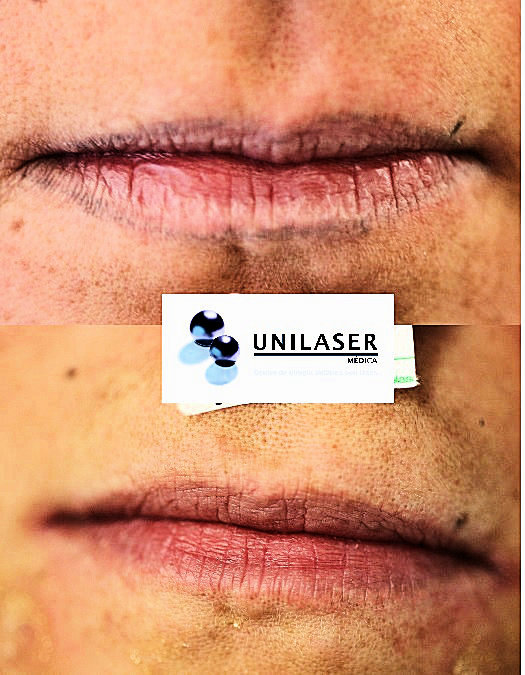
- Cosmetic tattoos.
- Unprofessional faded tattoo
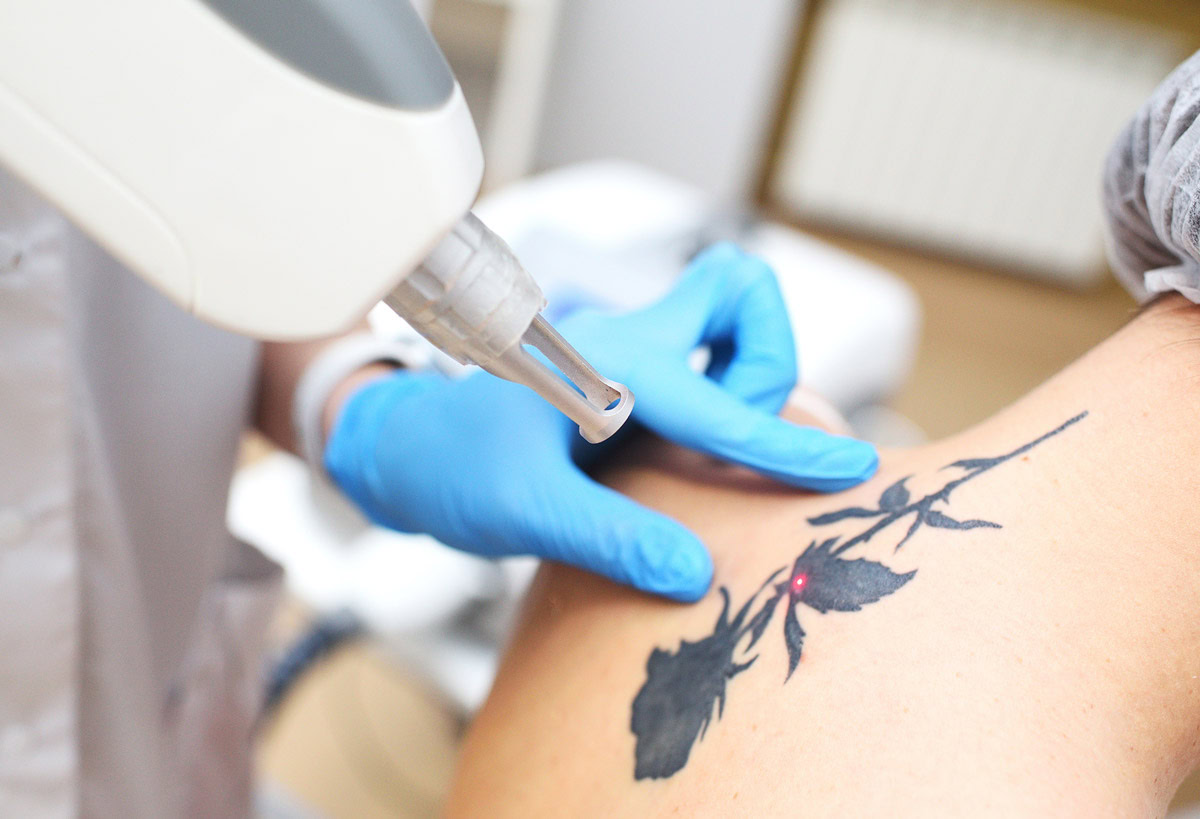
Laser Tattoo Removal
The laser removes small tattoos without creating scars, as long as they are black.
Unprofessional tattoos with India ink disappear faster.
It is not necessary to take sessions in the short term, as spots and depigmentation may occur.
When the tattoo is multicolored, the colors may lighten but the skin may remain depigmented.
The darker the tattoo, the longer it will take to fade.
Very large tattoos do not disappear completely.
Does the laser work for ALL tattoo ink colors?
Black tattoos are always captured by the laser.
The particles in black inks are the smallest (30 nanometers) and are most easily destroyed by the laser.
Apart from the green laser, there are no specific lasers available to remove all colors. However, less pure and dark colors can lighten.

Is there a scar after removing a tattoo with a laser?
Without injuring the skin, the laser should not cause a scar.

How does laser tattoo removal work?
The ink is “fractured” by the laser and the white cells can carry much smaller ink particles which they transport to the lymph nodes. There is also a direct effect, observable only when the amount of ink is very low.
When it comes to searching for ink transfer, it is a process that takes months to become evident.

How many laser sessions are needed to remove a tattoo?
When it is very clear, just one session is enough to erase a tattoo.
When it is very dark and professional, it takes years to disappear.
When it is very large it does not disappear completely.

How often should I do my laser sessions to remove my tattoo?
A tattoo can continue to lighten for 1 or 2 years after the session without performing new sessions. When it stops lightening, it is time to perform a new session.

How can I know if my tattoo is going to disappear soon?
When it comes to tattoo removal, a brighter colored tattoo will contain more ink and will take longer to remove.
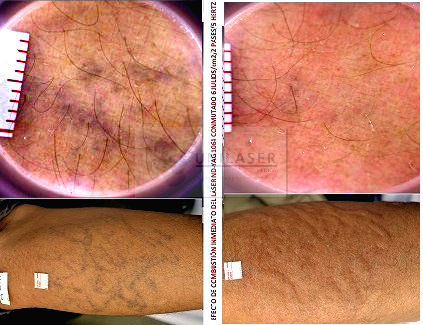
In contrast, a small, clear and old tattoo disappears if ink is no longer observed in the dermoscopic control immediately after the session.
Why doesn’t a large tattoo go away?
Removing large tattoos with laser increases the burden on the body to move the ink to neighboring lymph nodes.


What colors does the laser remove most easily?
When using the green laser its red antagonistic color can be removed. Sometimes the yellow tones also disappear and of course the black.

Is it true that some tattoos can darken after laser?
In general, cosmetic tattoos – those used to outline lips that are red or brown to outline eyebrows – can darken to black, a color that does respond to the laser.
In these cases it is necessary to carry out a new session.